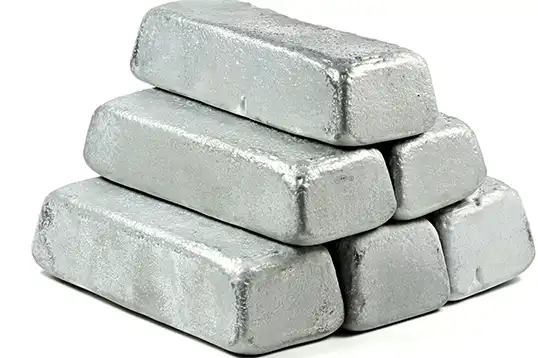
Gray Cast Iron Ingot | Specification, Applications, Composition & Price 

Gray cast iron (also referred to as cast gray iron or cast iron gray) is one of the most widely used cast iron alloys in industrial manufacturing. 

It is an iron–carbon alloy containing a high percentage of carbon and silicon, where carbon appears in the form of lamellar graphite flakes. These graphite flakes give the fracture surface its characteristic gray color, which is the origin of the name gray cast iron.

Gray cast iron is valued for its excellent castability, high thermal conductivity, vibration damping capacity, and cost efficiency, making it a preferred material for large-scale casting applications.

gray cast iron chemical composition 

The gray cast iron chemical composition plays a critical role in determining its mechanical and physical properties.

Typical gray / grey cast iron composition range:

  • Iron (Fe): 93 – 95%
  • Carbon (C): 2.5 – 4.0%
  • Silicon (Si): 1.0 – 3.0%
  • Manganese (Mn): ~0.35%
  • Phosphorus (P): ≤ 0.10%
  • Sulfur (S): ≤ 0.10%
  • Chromium (Cr): ≤ 0.10%

The balance between carbon and silicon promotes graphite formation while reducing cementite, resulting in improved machinability and vibration absorption.


Need free metallurgical consultation for your casting or steelmaking process?
+


Gray Cast Iron Structure

The gray cast iron structure consists of two primary phases:

  1. Matrix phase – typically ferritic, pearlitic, or a combination of both.
  2. Graphite phase – present as lamellar (flake-shaped) graphite uniformly dispersed throughout the matrix.

This structure is responsible for gray cast iron’s excellent damping properties, wear resistance, and thermal stability.


gray cast iron properties 

Key gray cast iron properties include:

  • High compressive strength
  • Excellent vibration damping
  • Good thermal conductivity
  • Low melting point
  • Superior machinability
  • Good wear resistance
  • Low tensile strength compared to steel
  • Low ductility

These characteristics make gray cast iron ideal for static and non-load-bearing components.


Gray Cast Iron Alloy Types 

Gray cast iron alloys can be categorized into several types depending on composition and structure:

  • Standard gray cast iron
  • Low-alloy gray cast iron
  • Austenitic gray cast iron
  • Silicon gray cast iron
  • Aluminum alloyed gray cast iron

Custom alloying is available based on application-specific requirements.


application of gray cast iron 

The application of gray cast iron spans a wide range of industries due to its mechanical stability and cost efficiency.


Gray Cast Iron Uses

Common uses of gray cast iron include:

  • Engine blocks and cylinder heads
  • Automotive brake discs and housings
  • Machine tool bases
  • Pipes, valves, and fittings
  • Pump bodies
  • Industrial machinery components
  • Household appliances
  • Construction and infrastructure parts

More than half of gray cast iron production is used in casting applications requiring vibration control and dimensional stability.


Gray Cast Iron Manufacturing Process

The gray cast iron manufacturing process involves:

  1. Extraction and preparation of iron-bearing raw materials
  2. Melting in induction or cupola furnaces
  3. Chemical composition control and inoculation
  4. Casting into molds
  5. Controlled solidification
  6. Cooling and quality inspection

Graphite morphology is controlled through cooling rate and chemical adjustments.


Gray Cast Iron Specification

Product specifications:

  • Origin: Iran
  • Ingot weight: 23 kg
  • Packaging: 23 kg ingots on 1-ton pallets
  • Minimum order quantity: 5,000 kg (5 metric tons)

Custom chemical analysis available upon request.


gray cast iron price 

The gray cast iron price is influenced by multiple variables, including:

  • Chemical composition
  • Carbon and silicon content
  • Alloying elements
  • Exchange rate fluctuations
  • Order volume
  • Packaging and logistics


Gray Cast Iron Price Per Kg

Due to market volatility, gray cast iron price per kg changes frequently. For the latest gray cast iron price today, please contact our sales team directly for an accurate quotation based on your required specification and order volume.


Gray Cast Iron for Sale

We supply gray cast iron for sale in bulk quantities for industrial and foundry applications. All products undergo strict quality control to ensure compliance with metallurgical standards.


gray cast iron suppliers 

As a reliable gray cast iron supplier, we offer:

  • Stable chemical composition
  • Consistent ingot dimensions
  • Engineering consultation
  • Competitive pricing
  • Secure packaging and logistics support

Custom grades and analyses can be produced based on customer requirements.


Why Buy Gray Cast Iron From Us?

  • Free metallurgical consultation
  • Competitive pricing
  • Guaranteed quality
  • Industrial-grade production
  • 24/7 technical and sales support

For purchasing, technical inquiries, or price confirmation, please contact our sales department.


Our support & sales team is available around the clock.

Send Us a Message

Frequently Asked Questions (FAQ)

Gray cast iron is an iron–carbon alloy containing high carbon and silicon levels, where carbon forms graphite flakes. This structure gives the material excellent castability, vibration damping, and machinability.

Gray cast iron is used in engine blocks, brake components, machine bases, pipes, valves, pump housings, industrial machinery parts, and construction applications.

Key properties include high compressive strength, good wear resistance, excellent vibration absorption, high thermal conductivity, and low tensile strength compared to steel.

The gray cast iron price depends on chemical composition, carbon and silicon content, alloying elements, order volume, packaging, and market conditions such as exchange rates.

Gray cast iron typically contains 2.5–4.0% carbon, 1.0–3.0% silicon, with the balance being iron and small amounts of manganese, phosphorus, sulfur, and chromium.

Yes. Gray cast iron is supplied in bulk quantities, commonly in 23 kg ingots on 1-ton pallets, with a minimum order of 5 metric tons. Custom analysis and specifications are available upon request.

Need Gray Cast Iron Ingot for Your Project?

Contact our sales team for pricing, avallability and technical support.

Home
Products
Blogs
Search